
If you have ever typed “Sushi Nigiri Eel Near Me” into your phone at nine in the evening with an empty stomach, you already understand the pull of this dish. Eel nigiri, known in Japanese as unagi nigiri, is one of those sushi bar staples that quietly builds a cult following. It is glossy, slightly caramelized, brushed with a sweet-savory glaze, and draped over a small pillow of vinegared rice. Once you have had a properly prepared piece, plain grilled fish just does not hit the same way anymore.
This guide is built for people who want more than a list of nearby restaurants. We are going to walk through what makes eel nigiri special, how to judge quality when you are searching for Sushi Nigiri Eel Near Me, what to expect price-wise, and how to talk to your sushi chef so you get the best piece on the menu. Whether you are a longtime sushi regular or someone who just discovered unagi last week, there is something here for you.
What Exactly Is Eel Nigiri and Why People Search For It
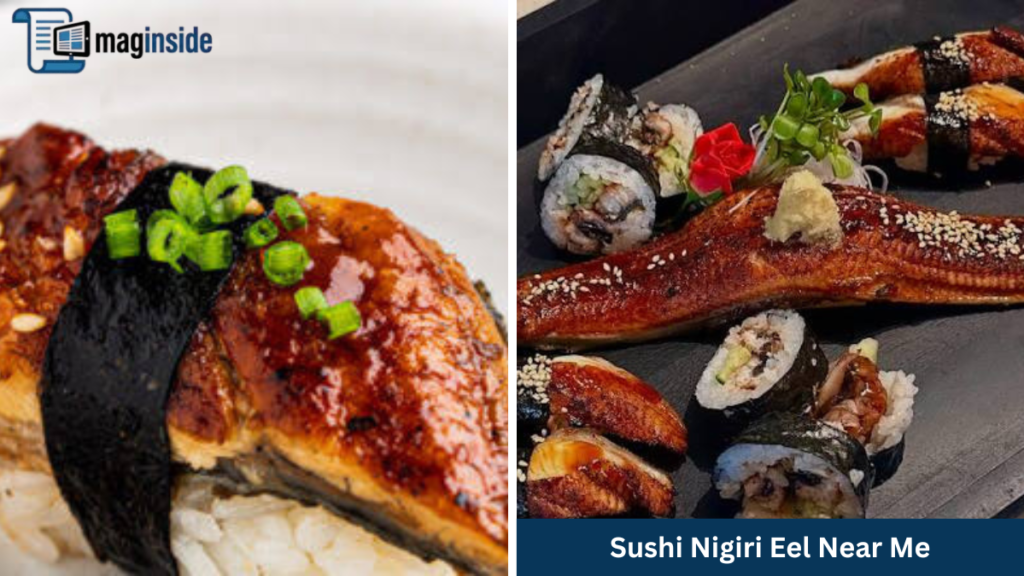
Eel nigiri is made using two different types of eel depending on the restaurant: unagi, which is freshwater eel, and anago, which is saltwater conger eel. Unagi is by far the more common choice in the United States and most Western sushi restaurants, largely because it is easier to source and has a richer, fattier flavor that pairs beautifully with a sweet glaze called nitsume or unagi sauce. The eel is filleted, deboned, grilled or steamed depending on regional style, then basted repeatedly with a soy-mirin-sugar reduction until it turns a deep amber color.
The reason so many people search specifically for Sushi Nigiri Eel Near Me rather than just “sushi near me” comes down to consistency and craftsmanship. Not every sushi spot handles eel well. Overcooked eel turns dry and rubbery, while underprepared eel can taste muddy or overly fishy. A well-made piece should be tender enough to almost melt against your tongue, with a smoky char balancing the sweetness of the glaze. That contrast between smoky, sweet, and savory is exactly what keeps people coming back and searching for the nearest place that gets it right.
How to Judge Quality Before You Even Take a Bite
Once you land on a restaurant after searching Sushi Nigiri Eel Near Me, there are a few visual and sensory cues that separate an average piece from an exceptional one. Color is the first tell. The eel should look glossy and evenly browned, not pale or unevenly charred in patches. A dull or grayish tone often signals it has been sitting under heat lamps or reheated multiple times throughout service, which strips away texture and flavor.
Aroma matters just as much as appearance. Fresh, properly glazed eel carries a faint smoky-sweet scent, almost like teriyaki but rounder and less sharp. If you catch a strong fishy odor before the plate even reaches the table, that is usually a sign the eel was not stored or prepared with much care. Texture is the final and most telling clue once you actually take a bite. Good eel nigiri should feel soft and slightly yielding, never chewy or stringy. As one longtime sushi chef in San Francisco put it during an interview about seasonal ingredients, “Eel forgives almost nothing. Undercook it and it fights you, overcook it and it falls apart, but get the timing right and it becomes the smoothest bite on the menu.”
Fresh Unagi Versus Frozen and Why It Changes the Experience
A lot of the search traffic behind Sushi Nigiri Eel Near Me is really people trying to avoid the frozen, mass-produced version of this dish. Many grocery store sushi counters and lower-tier restaurants use pre-cooked, vacuum-sealed eel that arrives frozen and gets reheated to order. It is convenient and inexpensive, but the texture noticeably suffers, often coming out slightly mushy with a one-note sweetness that overwhelms the natural richness of the fish.
Restaurants that prepare eel in-house, starting from a raw fillet that gets grilled and glazed fresh, offer a completely different experience. The layers of flavor are more complex, the texture holds its structure better, and the glaze tends to taste less like bottled sauce and more like something built through actual reduction and basting. If you are serious about finding excellent unagi nigiri near your location, it is worth calling ahead or checking reviews to see whether the eel is prepared fresh daily or comes pre-packaged. That single detail tends to be the biggest differentiator in quality across sushi restaurants.
Pricing Expectations for Eel Nigiri Across Different Restaurant Types
Understanding what you should expect to pay helps you evaluate value when you search Sushi Nigiri Eel Near Me and start comparing menus. Pricing varies quite a bit depending on the restaurant tier, region, and whether the eel is served as nigiri, in a roll, or as a standalone donburi bowl. Below is a general breakdown to help set expectations before you order.
| Restaurant Type | Typical Price Per Piece | Eel Sourcing | Notes |
|---|---|---|---|
| Casual sushi counter or grocery sushi bar | 2.50 to 4.00 dollars | Usually frozen, pre-glazed | Convenient but softer texture |
| Mid-range neighborhood sushi restaurant | 4.00 to 6.50 dollars | Often fresh, prepared daily | Best balance of price and quality |
| High-end omakase or specialty sushi bar | 7.00 to 12.00 dollars | Fresh, sometimes imported unagi | Richer flavor, chef-curated glaze |
| Sushi delivery or takeout chain | 3.00 to 5.50 dollars | Mixed, varies by location | Quality inconsistent between branches |
These numbers shift depending on your city, but the general pattern holds true almost everywhere. If you are seeing eel nigiri priced dramatically below the low end of this range, it is worth asking whether the restaurant prepares it fresh or relies on a frozen, pre-packaged product, since that price gap usually reflects a real difference in how the fish was sourced and cooked.
How to Order Eel Nigiri Like Someone Who Knows What They Are Doing
Ordering well goes a long way toward making sure you get the best possible piece. When you sit down at a restaurant you found through a Sushi Nigiri Eel Near Me search, it helps to ask the chef or server whether the unagi is made in-house that day. Most chefs appreciate the question, and it often signals that you care about freshness, which can occasionally influence which piece they hand you.
It also helps to eat eel nigiri relatively early in your meal rather than at the very end. Because the glaze is sweet and the texture is soft, it can overpower more delicate, lighter fish like fluke or snapper if eaten afterward. Many experienced sushi eaters treat eel as a mid-meal course, right after the lighter white fish and before richer cuts like fatty tuna or salmon. A sushi chef quoted in a regional food publication once explained it simply: “Think of eel as a bridge. It carries you from the clean, delicate flavors into the richer ones without shocking your palate.” That kind of sequencing genuinely changes how much you enjoy the dish.
Health and Nutritional Notes Worth Knowing
Eel nigiri is often assumed to be a lighter choice simply because it is sushi, but it actually carries more calories and fat than most other nigiri options due to its natural richness and the sugar content in the glaze. A single piece typically contains more calories than a comparable piece of tuna or yellowtail nigiri, largely because of the nitsume sauce brushed generously across the top.
That said, eel is also a genuinely nutritious source of protein, omega-3 fatty acids, vitamin A, and vitamin B12. For people who enjoy sushi regularly, eel nigiri can be a satisfying, nutrient-dense addition to a meal, especially when balanced with lighter cuts of fish and vegetable-forward rolls. As with most indulgent foods, moderation matters more than elimination, and there is nothing wrong with treating a couple of pieces as a highlight rather than the entire meal.
Regional Differences You Might Notice When Searching Nearby
Depending on where you live, the style of eel nigiri you find can vary noticeably. In Kanto-style preparation, common in Tokyo and much of eastern Japan influence areas, the eel is steamed before grilling, which results in an extremely soft, almost custard-like texture. Kansai-style preparation, more common in western regions, skips the steaming step and grills the eel directly, producing a firmer bite with a slightly crispier edge.
Most sushi restaurants outside Japan tend to lean toward the Kanto approach because the steaming step makes the eel more forgiving to prepare consistently, even for chefs who are not eel specialists. If you search Sushi Nigiri Eel Near Me and happen to find a restaurant advertising Kansai-style preparation, it is genuinely worth trying, since the firmer texture and more pronounced char offer a noticeably different experience than what most people are used to. Regional variation like this is part of what makes exploring different sushi spots so rewarding rather than settling for the same version everywhere.
Pairings That Make Eel Nigiri Even Better
The right pairing can elevate eel nigiri from good to genuinely memorable. Traditionally, a light, slightly floral sake pairs beautifully with the sweetness of the glaze, since the clean finish cuts through the richness without competing against it. If sake is not your preference, a crisp, low-bitterness beer works nearly as well, offering enough carbonation to reset your palate between bites.
Pickled ginger, or gari, also plays a bigger role with eel nigiri than with most other sushi types. Because the glaze is sweet and somewhat heavy, a small bite of ginger between pieces helps cleanse the palate and keeps the sweetness from becoming overwhelming across a longer meal. Some sushi chefs even recommend a light dab of freshly grated wasabi directly on the eel rather than mixing it into soy sauce, since the glaze already provides plenty of sodium and sweetness on its own, and traditional soy sauce dipping can actually dull the delicate balance the chef worked to create.
Making the Most of Your Local Search
When you type Sushi Nigiri Eel Near Me into a search engine or delivery app, the results are not always ranked by quality. Star ratings can be skewed by review volume, and popularity does not always correlate with how carefully a restaurant prepares its unagi. Reading a handful of recent reviews specifically mentioning eel, rather than general sushi quality, tends to give a much clearer picture of what to expect.
It also helps to check whether a restaurant posts daily specials or seasonal menus, since eel availability and quality can shift depending on sourcing. Restaurants that take pride in their unagi nigiri often mention it specifically in their online presence, whether through photos, menu descriptions, or direct callouts on delivery platforms. Taking an extra two or three minutes to research before ordering usually pays off far more than picking whichever result appears first.
Final Thoughts on Finding the Best Eel Nigiri Nearby
Eel nigiri rewards a little bit of patience and curiosity. It is not the kind of dish where every version tastes roughly the same, and the difference between a rushed, frozen piece and a carefully prepared, freshly glazed one is genuinely night and day. The next time you search Sushi Nigiri Eel Near Me, use what you now know about sourcing, preparation style, pricing, and pairing to guide your choice rather than picking the first name that pops up.
Good sushi restaurants take real pride in their unagi, and once you find a spot that nails the balance of smoky char, tender texture, and just the right amount of sweetness, it tends to become a regular order. Eel nigiri has a way of turning casual sushi nights into something a little more memorable, one glossy, glazed piece at a time.
Frequently Asked Questions About Sushi Nigiri Eel Near Me
What is the difference between unagi and anago nigiri?
Unagi refers to freshwater eel, which is the more common variety used in sushi restaurants across the United States and much of the world, prized for its rich, fatty texture and sweet glaze. Anago, on the other hand, is saltwater conger eel, typically lighter in flavor and texture, and more commonly found at traditional Japanese sushi bars that specialize in Edo-style preparation. When people search Sushi Nigiri Eel Near Me, they are almost always referring to unagi nigiri, since it is far more widely available.
Is eel nigiri served raw like other sushi?
No, eel is always served cooked, unlike many other nigiri toppings such as tuna or salmon. Raw eel blood actually contains a toxin that is neutralized through the cooking process, which is why it is grilled or steamed and then glazed before being placed on the rice. This makes eel nigiri a great entry point for people who are hesitant about raw fish but still want an authentic sushi experience.
How can I tell if a nearby sushi restaurant makes fresh eel nigiri?
The most reliable way is to ask directly whether the unagi is prepared in-house or sourced pre-cooked and frozen. Restaurants proud of their fresh preparation usually answer this question readily and may even describe their glaze or grilling process. You can also look at online reviews and photos specifically mentioning the eel nigiri, since texture and color are often visible in customer-posted images.
Why does eel nigiri taste sweet compared to other sushi?
The sweetness comes from the glaze, called nitsume or unagi sauce, which is a reduction of soy sauce, mirin, sugar, and sometimes sake, brushed repeatedly over the eel while it grills. This glaze caramelizes slightly under heat, creating the glossy, deep amber finish and distinctive sweet-savory flavor that sets eel nigiri apart from the more delicate, unglazed pieces on a typical sushi menu.
Is eel nigiri a good choice for someone new to sushi?
Yes, eel nigiri is often recommended as an excellent starting point for newcomers because it is fully cooked, has a familiar sweet and smoky flavor profile, and offers a soft, approachable texture. Many sushi newcomers find it far less intimidating than raw fish options, which is part of why it remains one of the most searched and ordered items whenever someone looks up Sushi Nigiri Eel Near Me for the first time.
You may also read Best Mojo Picon Potatoes Near Me