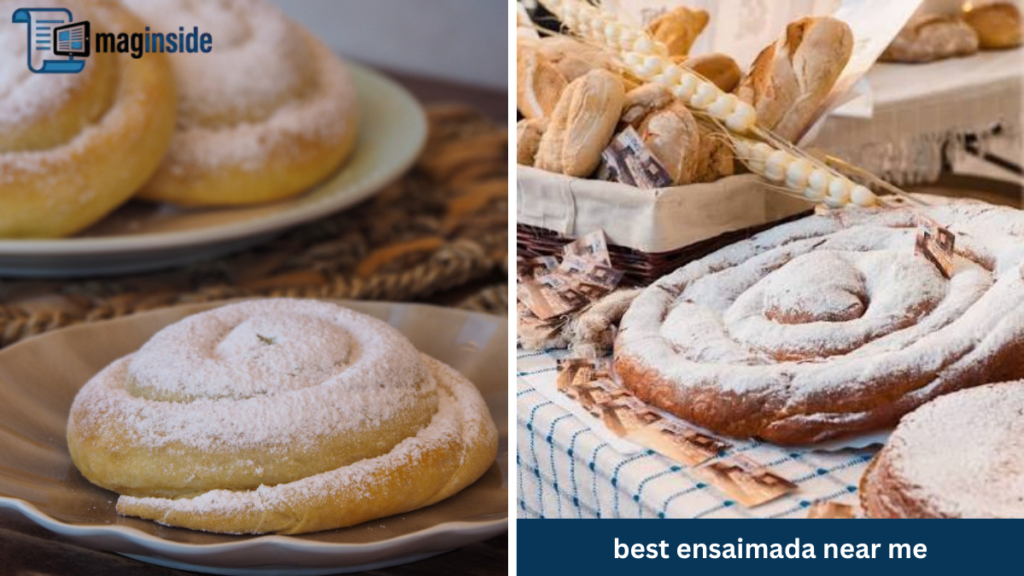

If you’ve ever typed “best ensaimada near me” into your phone at nine in the morning with a coffee craving and a sweet tooth to match, you already understand the appeal of this coiled, buttery masterpiece. Ensaimada isn’t just another pastry sitting behind glass at a bakery counter. It’s a spiral of soft, pillowy dough, dusted generously with powdered sugar, and sometimes stuffed with cheese, ube, or even bacon if you’re feeling adventurous. Finding a truly great one, though, takes a bit of know-how, and that’s exactly what this guide is here to help you with.
Whether you grew up eating ensaimada during Sunday mornings with family or you just discovered it through a food video that made your stomach growl, the search for the best ensaimada near me is a mission worth taking seriously. Not every bakery gets the texture right, and not every version uses real butter instead of margarine substitutes. This article walks you through everything you need to know so your next search actually leads somewhere delicious.
What Makes Ensaimada So Special in the First Place
Ensaimada traces its roots back to Mallorca, Spain, where bakers first twisted enriched dough into that signature spiral shape using pork lard called saïm. Over centuries, the pastry traveled across oceans and cultures, eventually becoming a beloved staple in Filipino bakeries, where it evolved into a slightly sweeter, cheese-topped version that locals now consider comfort food. That history matters because it explains why texture and technique separate an average ensaimada from an unforgettable one.
A proper ensaimada should be light, almost cloud-like, with layers that pull apart easily without turning gummy or dense. The dough needs a long proofing time, and skipping that step is usually the first sign of a rushed bakery trying to cut corners. When you’re hunting for the best ensaimada near me, pay close attention to how the pastry looks before you even take a bite. A shiny, golden top with visible spiral layers and a generous but not overwhelming dusting of sugar usually signals a baker who actually cares about the craft.
How to Actually Find the Best Ensaimada Near Me
Searching online is a great starting point, but it only gets you halfway there. Typing “best ensaimada near me” into a search engine will pull up a list of nearby bakeries, yet star ratings alone rarely tell the full story. Reviews mentioning freshness, texture, and how recently the batch was baked matter far more than a generic five-star tag. Look specifically for comments about whether the pastry was soft that same morning, since ensaimada tends to lose its magic once it sits out too long.
Local food groups and community pages are another underrated resource. People who live in a neighborhood often know which small bakery quietly makes the best version, even if that place doesn’t have flashy branding or a huge online presence. Asking around, checking neighborhood forums, or even scrolling through local food bloggers’ posts can uncover hidden gems that never show up prominently in generic search results. As one longtime bakery owner in Quezon City once put it, “The best pastries rarely need billboards, they just need people who remember how they were taught to bake them.”
Signs You’ve Found a Truly Great Bakery
Not every bakery selling ensaimada deserves your loyalty, and there are a few telltale signs that separate the exceptional from the mediocre. First, freshness matters more than anything else. A great bakery bakes in small batches throughout the day rather than producing everything at dawn and letting it sit under heat lamps until closing time. If a shop smells like fresh butter and yeast the moment you walk in, that’s usually a promising signal.
Second, ingredient quality shows in the final product. Bakeries using real butter instead of cheap margarine produce a richer, more aromatic pastry that practically melts on your tongue. You can usually taste the difference within the first bite. Third, consistency counts. A bakery that nails the texture every single time, rather than occasionally serving a dry or overly dense batch, has clearly mastered its process. When people search for the best ensaimada near me, they’re really searching for that reliability, the assurance that every visit delivers the same satisfying experience.
Comparing Popular Ensaimada Styles
Different regions and bakeries put their own spin on this classic pastry, and knowing the variations helps you decide what you’re actually craving before you head out the door.
| Style | Key Characteristics | Best Paired With |
|---|---|---|
| Classic Filipino-style | Sweet, buttery, topped with sugar and often grated cheese | Hot coffee or hot chocolate |
| Mallorcan original | Lightly sweet, dusted with powdered sugar, no cheese topping | Espresso or plain tea |
| Ube-filled | Purple yam filling swirled inside, slightly earthy sweetness | Cold brew or milk |
| Bacon and cheese | Savory-sweet combination with crispy bacon bits | Black coffee |
| Mini bite-sized | Smaller portions, often sold in boxes for sharing | Afternoon merienda spreads |
Each style brings something different to the table, and honestly, part of the fun in exploring options for the best ensaimada near me is trying a few variations before settling on your personal favorite. Some people are purists who only want the classic buttery version, while others can’t resist the novelty of a bacon and cheese twist.
Why Freshness Changes Everything
There’s a noticeable difference between an ensaimada eaten within hours of baking and one that’s been sitting on a shelf since the previous evening. Freshly baked dough retains moisture in a way that keeps every layer soft and easy to pull apart. Once it sits too long, the sugar coating hardens slightly, and the inner layers start losing that airy quality that makes the pastry so enjoyable in the first place.
This is why timing your visit matters just as much as choosing the right bakery. Many shops bake fresh batches early in the morning and again in the early afternoon, so calling ahead or checking a bakery’s posted schedule can save you from ending up with a stale piece. A pastry chef from a small family-run bakery once shared, “We tell our regulars exactly when the next tray comes out, because timing is honestly half the experience.” That kind of transparency is a great sign you’ve found a bakery worth returning to.
Pairing Ensaimada With the Right Drink
Ensaimada practically begs to be paired with something warm. A rich, slightly bitter coffee balances out the sweetness of the sugar coating beautifully, which is why so many people enjoy this pastry as part of their morning routine. Hot chocolate is another classic pairing, especially popular in colder months or during rainy season mornings when comfort food feels extra necessary.
If you’re not a coffee or chocolate person, plain black tea works surprisingly well too, since its subtle bitterness cuts through the buttery richness without overpowering the pastry’s flavor. Some people even enjoy ensaimada with cold milk, particularly the ube-filled or cheese-topped versions, since the coolness contrasts nicely with the pastry’s dense sweetness. Whatever you choose, the right drink pairing can elevate an already great pastry into a genuinely memorable snack.
Supporting Local Bakeries Over Big Chains
While it’s tempting to grab an ensaimada from a large commercial chain simply because it’s convenient, small local bakeries often produce a noticeably better product. These smaller shops tend to bake in limited quantities, which naturally leads to fresher results, and many of them still follow traditional recipes passed down through generations. Supporting these businesses also helps preserve the authentic character of the pastry rather than letting it become a mass-produced, watered-down version of itself.
Local bakers often experiment more too, introducing seasonal flavors or limited-edition varieties that big chains rarely bother with. This creativity keeps the search for the best ensaimada near me exciting, since there’s always a chance you’ll stumble upon something unexpected. Plus, the personal touch you get from a small shop, like the owner remembering your usual order, adds a layer of warmth that a large chain simply can’t replicate.
Storing and Reheating Ensaimada Properly
If you end up buying more than you can finish in one sitting, proper storage becomes essential. Keeping ensaimada at room temperature in an airtight container works fine for a day or two, but refrigeration extends its shelf life if you need more time. Just be aware that refrigeration can slightly dry out the pastry, so it’s worth reheating before eating rather than pulling it straight from the fridge.
A quick ten to fifteen second stint in the microwave brings back much of the softness, while a few minutes in a warm oven works even better if you want that fresh-baked feel again. Avoid overheating, since ensaimada can turn tough and chewy if left in too long. Handled correctly, even a day-old pastry can taste remarkably close to fresh, which is a handy trick to know the next time your search for the best ensaimada near me results in more pastries than you can eat in one sitting.
Making the Most of Your Ensaimada Experience
Beyond just eating it, ensaimada carries a certain nostalgic weight for a lot of people. It shows up at family gatherings, birthday tables, and lazy Sunday breakfasts, often tied to specific memories of childhood or home. That emotional connection is part of why people care so much about finding the best ensaimada near me rather than just settling for whatever’s convenient.
Taking the time to explore different bakeries, ask locals for recommendations, and try various styles turns a simple pastry hunt into something closer to a mini food adventure. You start noticing subtle differences between shops, developing preferences you didn’t know you had, and maybe even finding a new go-to spot that becomes part of your own weekly routine. That’s really the heart of what makes this search so satisfying in the end.
Final Thoughts
Finding the best ensaimada near me isn’t complicated once you know what to look for. Freshness, quality ingredients, and consistency matter far more than flashy packaging or a big brand name. Whether you’re drawn to the classic buttery original or a modern twist like ube or bacon and cheese, the right bakery is usually closer than you think, tucked into a neighborhood corner or run by a family that’s been perfecting their recipe for years. Take the time to explore, trust reviews that mention freshness specifically, and don’t be afraid to ask locals where they get theirs. Once you find that one bakery that gets it just right, you’ll understand exactly why this pastry has such a devoted following.
Frequently Asked Questions
What exactly is ensaimada made of?
Ensaimada is typically made from an enriched, slightly sweet dough that includes flour, eggs, sugar, and a generous amount of fat, traditionally lard but often butter in modern versions. The dough is rolled thin, coiled into a spiral shape, and left to proof for an extended period before baking, which gives it that signature light and airy texture.
How do I know if a bakery sells fresh ensaimada?
The easiest way to tell is by checking how recently the batch was baked, either by asking staff directly or reading recent reviews that mention freshness. A fresh ensaimada should feel soft to the touch, look shiny rather than dry, and have layers that pull apart easily without crumbling.
Is ensaimada the same everywhere I look for the best ensaimada near me?
Not at all. While the base recipe stays similar, regional and bakery-specific variations exist, ranging from the classic Mallorcan style with simple powdered sugar to Filipino versions topped with cheese, and even modern takes filled with ube or bacon. Exploring different styles is part of the fun when searching for the best ensaimada near me.
Can I store ensaimada for later without ruining the texture?
Yes, as long as you store it properly in an airtight container at room temperature for short-term storage or in the fridge for longer periods. Reheating briefly in a microwave or oven before eating helps restore much of its original softness.
Why do people prefer small bakeries over big chains for ensaimada?
Small bakeries typically bake in smaller batches, which means fresher pastries and often better ingredient quality compared to mass-produced options. Many also stick closer to traditional recipes, giving their ensaimada a more authentic taste and texture that larger commercial chains sometimes sacrifice for consistency and speed.
You may read also Best Mondongo Soup Near Me: A Local’s Guide to Finding the Real Deal