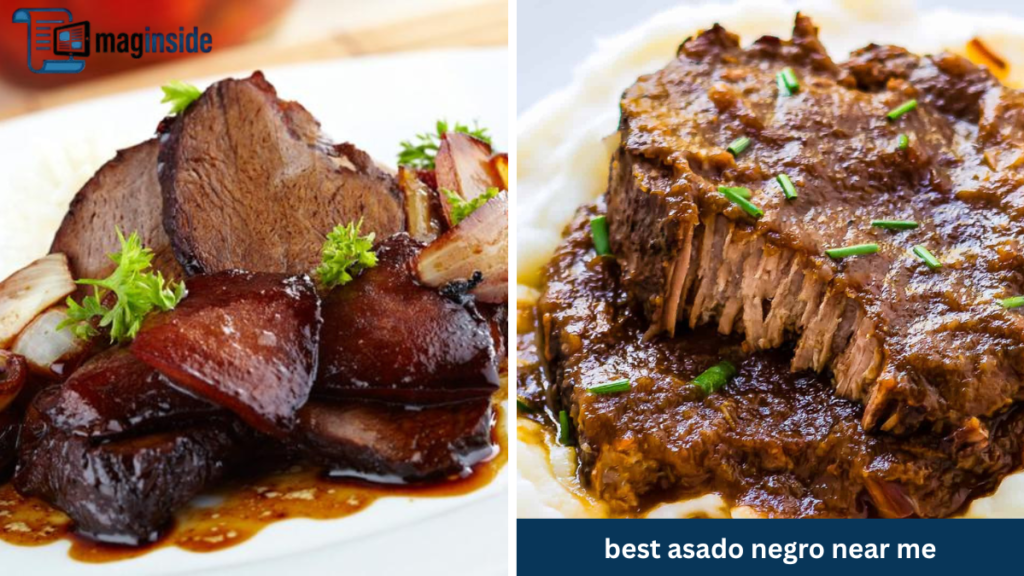

If you’ve typed “best asado negro near me” into your phone more than once this month, you’re not alone, and honestly, you’re not wrong for being picky about it. Asado negro isn’t just another braised beef dish you can grab anywhere and expect to be blown away. It’s a Venezuelan classic that lives or dies by patience, technique, and a sauce that’s been coaxed into deep, almost bittersweet perfection over hours of low heat. When it’s done right, the meat practically falls apart under your fork, and the sauce clings to it like it was made to be there.
The tricky part is that not every restaurant advertising asado negro actually understands what makes it special. Some places rush the caramelization, others skip the traditional papelón or brown sugar reduction that gives the dish its signature dark color and depth, and a few just serve regular pot roast with a fancy name slapped on the menu. That’s exactly why searching for the best asado negro near me matters so much. You’re not just looking for beef in sauce. You’re looking for the real thing, made by someone who respects the process.
What Makes Asado Negro Different From Other Braised Beef Dishes
At first glance, asado negro might look like your average slow-cooked beef entrée, but the flavor profile tells a completely different story. The dish gets its name, which translates to “black roast,” from the deeply caramelized sugar that forms the base of the sauce. Traditional cooks use papelón, an unrefined cane sugar block common throughout Venezuela, and reduce it until it turns almost bitter before building the rest of the braise around it. That bittersweet foundation is what separates a proper asado negro from a basic beef stew or a Cuban-style ropa vieja.
There’s also the cut of meat to consider. Most authentic kitchens use a tougher cut like eye of round or bottom round because those cuts hold up beautifully during a long, slow braise. The collagen breaks down over hours, and the meat absorbs the sauce instead of just sitting in it. When you’re comparing spots after searching for the best asado negro near me, pay attention to how the beef looks on the plate. If it’s shredding apart with almost no resistance and glistening with a dark, glossy sauce, that’s usually a good sign the kitchen knows exactly what it’s doing.
Why Location Actually Matters When You’re Craving Asado Negro
You might think a great dish is a great dish no matter where you find it, but proximity plays a bigger role than people give it credit for. Asado negro is best enjoyed fresh off the stove, still warm enough that the sauce is loose and fragrant rather than congealed from sitting in a takeout container during a long drive. That’s part of why so many people specifically search for the best asado negro near me instead of just browsing food delivery apps at random.
There’s also the freshness factor tied to ingredients. Restaurants that specialize in Venezuelan or Latin American cuisine tend to source papelón, plantains, and specific spice blends locally or through dedicated suppliers, which means the flavor stays consistent and authentic. A place fifteen minutes from your house that’s known in the neighborhood for its asado negro is often going to outperform a highly rated spot that’s an hour away, simply because you’re more likely to catch it fresh, hot, and made with care rather than reheated for a delivery order.
How to Actually Evaluate a Restaurant Before You Go
Reviews are a great starting point, but they don’t always tell the full story. When you’re trying to narrow down the best asado negro near me from a list of ten different results, it helps to look past the star rating and read what people are actually saying in the comments. Are they mentioning the sauce specifically? Are they comparing it to how their grandmother or a family member used to make it? Those small details usually indicate a kitchen that’s putting in real effort rather than just checking a box on the menu.
Photos matter too, more than most people realize. A properly made asado negro should have a dark, almost mahogany-colored sauce, not something pale or watery. If the photos on a restaurant’s page show beef swimming in a thin, brownish liquid that looks more like gravy than a reduction, that’s usually a red flag. On the other hand, if you see rice, plantains, and black beans plated alongside a rich, glossy cut of beef, you’re likely looking at a kitchen that understands the traditional presentation and isn’t cutting corners.
Comparing Common Search Results for Asado Negro Restaurants
| Factor | What to Look For | Why It Matters |
|---|---|---|
| Sauce color | Deep, dark brown to almost black | Indicates proper papelón caramelization |
| Meat texture | Fork-tender, shredding easily | Shows a long, slow braise was used |
| Side dishes | Rice, black beans, sweet plantains | Traditional pairing signals authenticity |
| Review mentions | References to family recipes or Venezuelan roots | Suggests cultural accuracy in preparation |
| Menu description | Mentions papelón, red wine, or Worcestershire base | Confirms traditional technique |
This kind of comparison is exactly what separates a lucky guess from a confident choice when you’re scrolling through results for the best asado negro near me. It takes maybe an extra two or three minutes to check these details, but it can save you from a disappointing meal that doesn’t live up to the hype in the photos.
The Role of Sauce in Judging Quality
Ask any home cook from Caracas or Maracaibo what makes asado negro special, and they’ll almost always point straight to the sauce before mentioning the beef itself. The sauce is built slowly, often starting with a caramelized sugar base, then layered with onions, garlic, bell peppers, and sometimes a splash of red wine or Worcestershire sauce depending on the family recipe. It’s a balancing act between sweet, savory, and slightly bitter, and getting that balance wrong is the easiest way for a kitchen to fall short.
One Venezuelan chef put it simply during an interview about traditional cooking techniques: “The sauce has to taste like it took time, because if you rush the sugar, you taste the rush, not the dish.” That sentiment sums up why so many people end up disappointed after trying a version that skips the slow caramelization process. When you’re evaluating options after searching for the best asado negro near me, don’t be afraid to ask your server how the sauce is made. A kitchen that’s proud of its process will usually be happy to explain it, and that confidence often translates directly to what ends up on your plate.
Pairing Suggestions That Actually Complement the Dish
Once you’ve found a solid contender for the best asado negro near me, it’s worth thinking about what you order alongside it. Traditional Venezuelan meals almost always include white rice and black beans, sometimes served together as a dish called pabellón when paired with shredded beef and plantains. While asado negro isn’t always served as part of a full pabellón, the same side dishes work beautifully with it because the rice helps balance the richness of the sauce and the beans add an earthy contrast.
Sweet plantains, or tajadas, are another near-essential pairing. Their natural sweetness echoes the caramelized notes in the sauce without competing with it, creating a really satisfying contrast between the sweet and savory elements on the plate. If the restaurant offers arepas as a side or starter, they’re worth ordering too, since the slightly crisp exterior and soft interior make a great vehicle for scooping up extra sauce once the main portion of meat is gone.
Reading Between the Lines of Online Reviews
Not all five-star reviews are created equal, and this is especially true when you’re trying to filter through options labeled as the best asado negro near me. Some reviewers rate a restaurant highly based on service, ambiance, or price, without ever really digging into whether the signature dish itself was authentic. That’s why it helps to specifically search review text for the words “asado negro” rather than just glancing at the overall star rating.
A regular customer at a Venezuelan restaurant in a mid-sized city once wrote, “This tastes exactly like what my abuela used to make on Sundays, and that’s the highest compliment I can give.” Comments like that carry a lot more weight than a generic five-star rating with no explanation. Look for specificity in reviews, whether that’s a mention of the meat’s tenderness, the depth of the sauce, or a direct comparison to homemade versions. Those small, honest details are usually far more reliable than an average star count when you’re deciding where to eat.
Understanding Regional Variations You Might Encounter
Not every asado negro you come across will taste identical, and that’s actually part of what makes exploring the best asado negro near me such an interesting food journey. Different regions of Venezuela have their own subtle takes on the dish, and immigrant communities in different cities often adapt the recipe slightly based on what ingredients are locally available. Some versions lean sweeter with a heavier hand on the papelón, while others incorporate more wine or vinegar for a sharper, tangier finish.
You might also notice differences in how the meat is prepared before braising. Some cooks sear the beef aggressively first to build a deep crust before slow-cooking it in the sauce, while others prefer a gentler approach that keeps the meat softer from the start. Neither method is wrong, but they do produce noticeably different textures and flavor intensities. Trying a few different restaurants labeled as the best asado negro near me in your area can actually be a fun way to explore these regional nuances rather than settling on the first place you find.
Tips for Ordering Takeout Without Losing Quality
If dining in isn’t an option and you’re leaning toward takeout after searching for the best asado negro near me, there are a few small things you can do to preserve the quality of the dish during the trip home. Ask if the sauce and rice can be packed separately, since keeping them apart prevents the rice from soaking up too much liquid and turning mushy by the time you’re ready to eat. It also helps to request that the container isn’t overly sealed or steamy, since trapped steam can soften the texture of the meat in a way that isn’t ideal.
Reheating matters just as much as the initial packaging. A quick blast in the microwave tends to dry out the edges of the beef, so a gentle reheat on the stovetop with the lid on low heat usually works much better for preserving that fall-apart tenderness. Adding a small splash of water or broth to the sauce while reheating can also help bring back some of the moisture that might have evaporated during transport, giving you a much closer experience to eating it fresh at the restaurant.
Final Thoughts on Finding Your Go-To Spot
At the end of the day, tracking down the best asado negro near me isn’t about finding the single most famous or most reviewed restaurant in your city. It’s about finding a place that genuinely respects the tradition behind the dish, from the slow caramelization of the sauce to the careful selection of the right cut of beef. Once you find that spot, whether it’s a small family-run kitchen or a well-known Venezuelan restaurant, you’ll probably find yourself going back again and again, because a truly great asado negro is hard to forget once you’ve had it done properly.
Take your time exploring a few different options rather than settling on the first result that pops up. Pay attention to the details in reviews, ask questions about how the sauce is prepared, and don’t be afraid to try a couple of different restaurants before deciding which one earns your loyalty. The effort is worth it, because when you finally land on the right place, that rich, dark, slightly sweet sauce and fork-tender beef will make every bit of the search feel completely justified.
Frequently Asked Questions
What exactly is asado negro made of
Asado negro is typically made from a tougher cut of beef, most often eye of round or bottom round, slow-braised in a sauce built around caramelized papelón or brown sugar. The sauce usually includes onions, garlic, bell peppers, and sometimes red wine or Worcestershire sauce, all simmered together for hours until the meat becomes tender and the sauce turns dark and glossy.
How do I know if a restaurant serves authentic asado negro
Look for a deep, almost black sauce rather than a pale or watery one, along with beef that shreds easily under light pressure. Reading reviews that specifically mention the dish by name, rather than just general restaurant ratings, is one of the most reliable ways to confirm authenticity before searching further for the best asado negro near me.
Is asado negro spicy
No, asado negro is not typically a spicy dish. Its flavor profile leans more toward sweet, savory, and slightly bitter thanks to the caramelized sugar base, rather than relying on heat or chili peppers, which makes it approachable even for people who are sensitive to spicy food.
What sides pair best with asado negro
White rice, black beans, and sweet fried plantains are the most traditional pairings, often served together in a style similar to the classic pabellón criollo. Arepas also make a great addition if they’re available, since they’re perfect for soaking up any extra sauce left on the plate.
Can I find good asado negro outside of Venezuelan restaurants
While it’s most commonly and authentically prepared in Venezuelan or broader Latin American restaurants, some fusion or pan-Latin establishments do offer their own version of the dish. When searching for the best asado negro near me, it’s still worth checking whether the kitchen has genuine Venezuelan roots or culinary training, since that background usually translates to a more faithful and satisfying final result.
Why does asado negro taste slightly bitter sometimes
The slight bitterness comes from the caramelization process of the papelón or sugar used in the sauce base. When done correctly, that bitterness is balanced out by the savory elements and the natural sweetness of the reduction, creating a complex flavor rather than an overpowering one. If a version tastes overwhelmingly bitter with no balance, it likely means the sugar was burned rather than properly caramelized during preparation.
You may read also Best Tarta De Pollo Near Me: Where To Find The Creamiest, Flakiest Chicken Pie In Town