
If you’ve ever typed “best asado Argentino near me” into your phone while your stomach growled louder than your car engine, you already understand the craving. Asado isn’t just grilled meat. It’s a ritual, a slow-burning tradition built around fire, patience, and good company. Finding the real deal in your city can feel like searching for a needle in a haystack full of mediocre steakhouses pretending to know what asado actually means.
This guide exists to cut through the noise. Whether you’re new to Argentine cuisine or you grew up watching your abuelo tend the coals for six hours straight, knowing what separates an authentic parrilla from a tourist trap will completely change how you search for the best asado Argentino near me. We’ll walk through what makes asado special, how to spot quality before you even sit down, and what questions to ask when researching a spot worth your Saturday night.
What Makes Asado Argentino Different From Regular BBQ
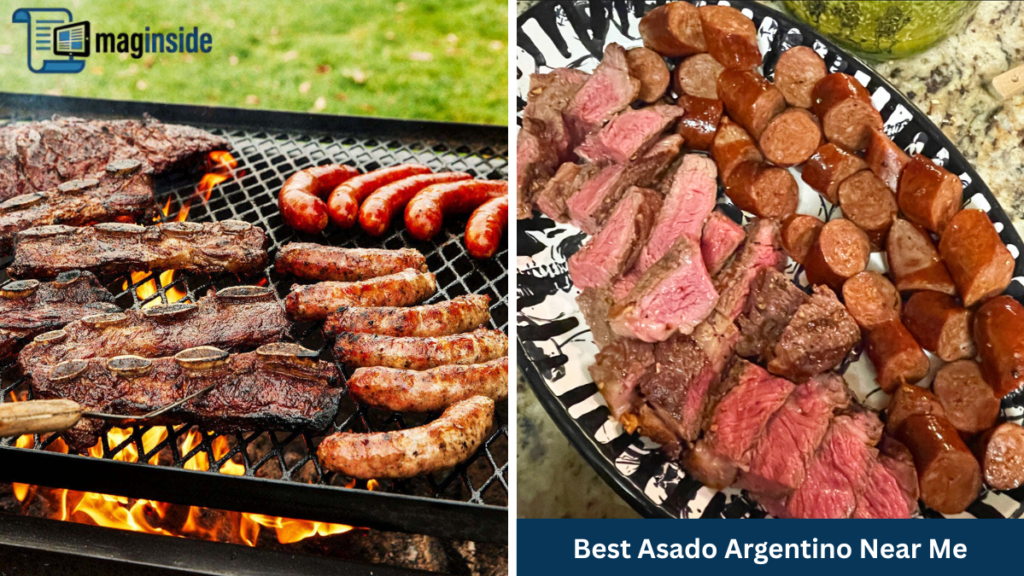
American barbecue and Argentine asado often get lumped together, but they’re worlds apart in philosophy and execution. Asado is built around live fire, typically wood or charcoal, and a grill called a parrilla that sits at an angle so fat drips away slowly rather than flaring up. There’s no thick sauce drowning the meat, no sugary glaze masking the flavor. The seasoning is usually just coarse salt, letting the quality of the beef and the smoke do all the talking.
The pace matters just as much as the technique. A proper asado can stretch across three or four hours, starting with chorizo and morcilla, moving into mollejas or provoleta, and finally landing on the main cuts like asado de tira or vacío. Nobody rushes it. When you’re scouting the best asado Argentino near me, this unhurried rhythm is one of the biggest tells you’re in the right place. If a restaurant is pushing you out the door in forty-five minutes, it’s probably not built around the real tradition.
Key Cuts You Should Recognize Before You Order
Understanding the cuts of meat used in traditional Argentine grilling will make your search infinitely easier, because menus at authentic parrillas rarely dumb things down for tourists. Asado de tira, cut across the ribs rather than along them, is one of the most iconic choices and a strong indicator that a kitchen respects tradition. Vacío, a flavorful flank cut, and entraña, similar to skirt steak, are other staples you’ll want to look for.
Chorizo and morcilla sausages usually open the meal, followed by achuras like mollejas (sweetbreads) or riñones (kidneys) for the more adventurous eater. Provoleta, a thick slab of grilled provolone cheese with oregano and chili flakes, has become a beloved starter across nearly every parrilla worth its salt. When comparing spots that claim to serve the best asado Argentino near me, check whether these traditional items appear on the menu. Their presence is often a much better signal of authenticity than flashy branding or an overpriced wine list. <div></div>
| Cut Name | Description | Best Cooked |
|---|---|---|
| Asado de Tira | Short ribs cut across the bone | Slow, over indirect heat |
| Vacío | Flank cut with a fat cap | Medium, fat side down first |
| Entraña | Skirt steak, thin and flavorful | Fast, high heat |
| Chorizo | Grilled pork sausage | Quick sear, whole |
| Morcilla | Blood sausage | Gently grilled, low heat |
| Provoleta | Grilled provolone cheese | Direct heat until bubbling |
That table alone can help you evaluate a menu in seconds. If a restaurant claiming to offer the best asado Argentino near me is missing half of these staples, it might be leaning more toward a generic steakhouse experience than genuine Argentine tradition.
How to Actually Judge a Parrilla Before You Go
Reviews online can be misleading, especially when a restaurant has paid for placement or gathered a pile of generic five-star ratings from people who’ve never tried real asado. Instead, look at photos posted by actual diners. Are the cuts recognizable? Is there visible char consistent with wood or charcoal grilling rather than a gas flame? Genuine parrillas often show off their grill setup because it’s a point of pride, not something hidden in a back kitchen.
Another smart move is checking if the restaurant is run by an Argentine family or has ties to Argentine culinary training. This isn’t about gatekeeping food; it’s about recognizing that technique and cultural context genuinely affect the outcome. As one longtime asador in Buenos Aires once put it, “El fuego no perdona errores” — the fire doesn’t forgive mistakes. That kind of respect for the process tends to show up in restaurants that take the craft seriously rather than treating it as a novelty.
Why Location and Community Matter So Much
Searching for the best asado Argentino near me isn’t only about proximity. It’s about finding a place embedded in a community that actually understands and demands the tradition. Cities with strong Argentine or broader Latin American populations often support parrillas that stay authentic simply because their regular customers won’t accept shortcuts. If the neighborhood crowd keeps coming back, that’s usually a better signal than any star rating.
Word of mouth still carries enormous weight in this specific niche. Ask coworkers, neighbors, or local Facebook groups dedicated to Latin American food. Often the best spots aren’t the ones ranking on page one of search results but the ones tucked into a strip mall or a quiet side street, run by a family who cares more about consistency than marketing. A friend once told me, “The best asado I ever had wasn’t in a restaurant with a sign, it was in someone’s backyard with a rusty grill and better meat than any five-star place downtown.” That sentiment captures something search engines can’t measure.
The Role of Fire and Technique in True Asado
Wood versus charcoal versus gas isn’t a small detail; it fundamentally changes the flavor profile of the final product. Quebracho wood, commonly used in Argentina, burns hot and long, creating a distinct smokiness that charcoal alone can’t fully replicate. Restaurants outside Argentina sometimes substitute with mesquite or oak, which can still produce excellent results if the asador knows how to manage the heat properly.
The technique of building and maintaining the fire separates a true asador from someone simply operating a grill. Coals are usually prepared in a separate fire pit and then transferred beneath the parrilla as needed, keeping temperatures steady over hours rather than spiking and dropping like a typical backyard cookout. This kind of fire management takes years to master, and it’s exactly why a search for the best asado Argentino near me should factor in whether a restaurant employs someone specifically trained in this role rather than rotating random kitchen staff onto grill duty.
Pairing Asado With the Right Sides and Drinks
No asado experience is complete without chimichurri, the vibrant blend of parsley, garlic, oregano, vinegar, and olive oil that cuts through the richness of grilled meat. A good chimichurri should be herby and slightly tangy, never overly oily or one-dimensional. Some places also offer salsa criolla, a chopped tomato and onion relish that adds brightness to heavier cuts like asado de tira.
On the beverage side, Malbec remains the classic pairing for good reason. Its bold tannins and dark fruit notes stand up beautifully against smoky, fatty cuts of beef. If you’re evaluating candidates for the best asado Argentino near me, a solid wine list featuring Argentine Malbec, alongside options like Torrontés for lighter starters, is often a strong indicator that the restaurant understands the full dining experience rather than just the grilling itself.
Common Mistakes People Make When Searching Online
One frequent mistake is trusting generic “top ten steakhouse” lists that lump every kind of grilled meat restaurant together without distinguishing Argentine technique from Brazilian churrasco or American barbecue. These cuisines share a love of fire-cooked meat, but the methods, cuts, and cultural context differ significantly. A restaurant might be fantastic at churrasco-style rotisserie meat and still have no idea how to properly prepare a traditional asado de tira.
Another mistake is judging quality purely by price. Some of the most authentic parrillas are unassuming, family-run spots with modest interiors and reasonable prices, while flashier, more expensive restaurants sometimes prioritize ambiance over technique. When you’re genuinely trying to find the best asado Argentino near me, it pays to look past the polished exterior and focus on what’s actually happening on the grill.
What a Great Asado Experience Should Feel Like
A memorable asado isn’t just about the food landing on your plate; it’s about the entire sensory experience surrounding it. You should be able to smell the wood smoke before you even walk through the door. The sizzle of the parrilla, the sight of glowing coals, and the sound of conversation stretching lazily over hours are all part of what makes this cuisine special.
Service style matters too. Traditional parrillas often serve courses gradually rather than dumping everything on the table at once, mimicking the pacing of a home-cooked asado where the host tends the fire and brings out dishes as they’re ready. If a place you’re considering for the best asado Argentino near me rushes every course out simultaneously, it might be optimizing for table turnover rather than honoring the tradition guests are actually seeking.
Conclusion
Finding real Argentine grilling takes a bit more effort than scrolling through the first page of search results, but the payoff is worth it. Focus on the cuts being offered, the fire technique behind the scenes, and the community that keeps a place consistently busy. Authentic parrillas reveal themselves through details that generic steakhouses tend to overlook: proper provoleta, well-made chimichurri, a thoughtful Malbec selection, and a pace that respects the ritual rather than rushing it.
Next time you’re searching for the best asado Argentino near me, use these signals as your checklist rather than relying solely on star ratings. The right spot is out there, and once you find it, you’ll understand exactly why this tradition has captivated food lovers far beyond Argentina’s borders.
Frequently Asked Questions
What is the difference between asado and a regular barbecue?
Asado relies on slow, indirect heat from wood or charcoal using a parrilla, focusing on simple seasoning like coarse salt rather than sauces or marinades. Regular barbecue often incorporates sweet or spicy sauces and can use a wider variety of cooking methods, while asado stays rooted in a specific technique passed down through generations of Argentine tradition.
How do I know if a restaurant serves authentic Argentine asado?
Look for traditional cuts like asado de tira, vacío, and entraña on the menu, along with starters such as provoleta and chorizo. Visible wood or charcoal grilling, a thoughtful Malbec-heavy wine list, and a pace that allows the meal to unfold gradually are strong signs you’ve found a place that genuinely understands asado rather than imitating it.
Is asado always beef, or does it include other meats?
While beef is the star of most asado spreads, chicken, pork, and even lamb often make appearances depending on the region and occasion. Sausages like chorizo and morcilla are staples too, and organ meats such as mollejas are common for those wanting the full traditional experience.
Why does the search for the best asado Argentino near me often lead to disappointing results?
Many search results blend Argentine asado with Brazilian churrasco or American barbecue, even though the cooking methods and cultural roots differ significantly. Star ratings also don’t always reflect authenticity, since a restaurant can be popular for its atmosphere or pricing rather than its adherence to genuine Argentine grilling technique.
What should I order first at an authentic parrilla?
Starting with provoleta and a round of chorizo or morcilla is a great way to ease into the meal, mirroring how a traditional asado unfolds. From there, moving into cuts like vacío or asado de tira allows you to experience the full range of flavors that make Argentine grilling so distinctive.
Does the type of wood used actually affect the flavor of asado?
Yes, significantly. Quebracho wood, commonly used in Argentina, burns long and hot while imparting a distinct smokiness that’s difficult to replicate with charcoal alone. Restaurants using proper wood-fire techniques, even substitutes like oak or mesquite, tend to produce noticeably richer flavor compared to those relying solely on gas grills.
You may read also Best Anticucho Boliviano Near Me: Your Complete Guide to Finding the Real Deal